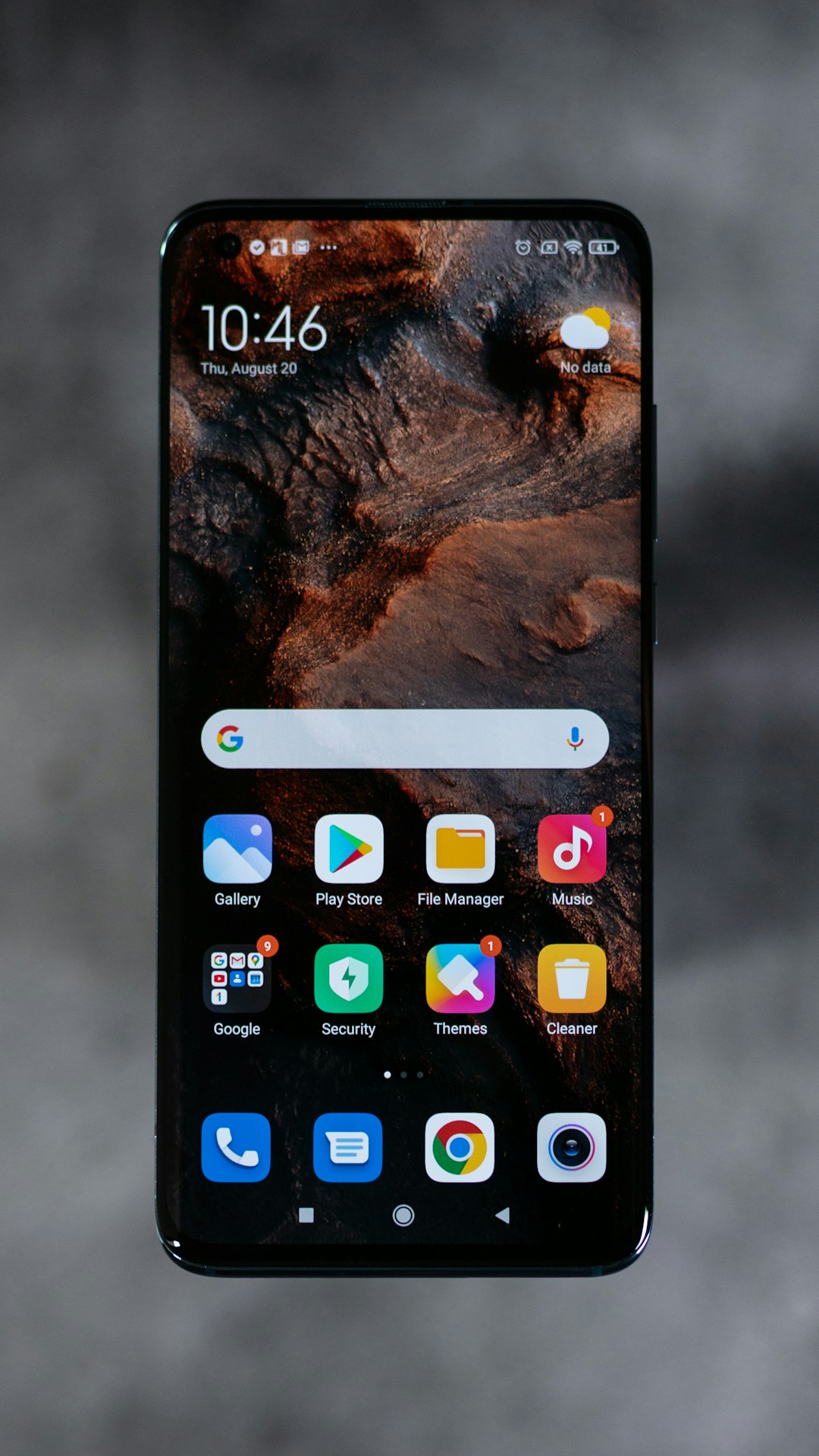
Montana's robocall laws, governed by the TCPA, restrict automated calls without consent. Residents combat unwanted calls with mobile apps like Hiya, TrueCall, and NoMo Robocalls that use AI, machine learning, caller ID, and blacklists to block and detect robocalls. Advanced algorithms, user reviews, and compliance with state laws ensure effective call blocking while protecting privacy and legitimate business communications.
In Montana, as across the nation, robocalls remain a persistent nuisance. However, Montanan residents now have powerful tools at their fingertips to combat this issue. This article explores the app choices Montanans trust to swiftly block robocalls, delving into the state’s relevant robocall laws, popular apps, blocking techniques, user reviews, and enhanced privacy features these applications offer. By understanding these resources, you can reclaim control of your phone lines.
Understanding Robocall Laws in Montana

In Montana, just like in many other states across the nation, robocalls are regulated by specific laws aimed at protecting consumers from unsolicited and automated calls. The Telephone Consumer Protection Act (TCPA) serves as a cornerstone of these regulations, setting forth rules for telemarketing and automatic telephone dialing systems. Under the TCPA, businesses are prohibited from making robocalls to individuals without their prior express consent. This includes calls promoting goods or services, charitable causes, or political campaigns.
Montana’s Attorney General’s Office plays a crucial role in enforcing these laws, investigating complaints related to robocalls and taking legal action against violators. Residents of Montana have the right to file complaints with the Attorney General if they believe they’ve received illegal robocalls. Understanding and familiarizing oneself with these robocall laws is an essential step for Montanans to protect their privacy and curb unwanted calls.
Popular App Choices for Montanans

Montanans, like many Americans, face a deluge of unwanted robocalls, leading them to seek effective solutions. Thankfully, several apps have emerged as popular choices to combat this growing nuisance. These applications leverage advanced technologies, such as AI and machine learning algorithms, to identify and block robocalls with remarkable accuracy.
When it comes to trusted options, apps like Hiya, TrueCall, and NoMo Robocalls stand out. Hiya, for instance, has gained widespread adoption due to its comprehensive call-blocking capabilities and real-time robocall detection. Similarly, TrueCall offers a user-friendly interface and powerful features, making it easy for Montanans to manage their communication and protect themselves from aggressive marketing calls under the state’s robocall laws. NoMo Robocalls is another popular choice, known for its effective blocking mechanisms and regular updates to stay ahead of evolving robocall tactics.
Fast Blocking Techniques within Apps

Many app developers have taken note of Montana’s strict robocall laws, resulting in a surge of applications designed to swiftly block unwanted automated calls. These apps employ sophisticated algorithms and machine learning techniques to identify and filter out robocalls almost instantly. One popular method is using caller ID data combined with blacklists—databases containing known robocaller phone numbers—to rapidly block incoming suspicious calls.
Additionally, some advanced apps utilize voice analysis technology to detect patterns characteristic of robocalls. This real-time analysis allows them to block calls before they even reach your device, ensuring a quieter and safer communication experience for Montanans. Such fast blocking techniques not only comply with the state’s anti-robocall regulations but also provide users with an extra layer of protection against annoying and potentially malicious automated phone calls.
User Reviews and Trust Factors
When exploring apps Montanans trust to block robocalls, user reviews play a pivotal role in building trust. These authentic experiences offer insights into the app’s effectiveness and usability, helping users make informed decisions. Positive reviews highlighting successful robocall blocks and ease of use contribute to a sense of reliability. Conversely, negative feedback about false positives or complexities might deter potential users.
Trust factors go beyond user reviews. Features like adaptive learning algorithms that continuously update blocking rules based on new robocall patterns are essential. Compliance with Montana’s robocall laws, ensuring privacy and consumer protection, is another significant aspect. Users seeking peace of mind in a sea of unwanted calls look for apps that demonstrate transparency about data usage and maintain robust security measures.
Enhanced Privacy: Beyond Robocalls

In Montana, as in many states across the country, robocalls have become a persistent nuisance. However, beyond simply blocking these automated calls, Montanans can leverage advanced privacy measures enabled by modern technology. With robust call-blocking apps, users not only get rid of unwanted robocalls but also gain increased control over their overall communication. These apps often integrate with state-level robocall laws in Montana, offering a comprehensive solution to protect against intrusive calls while ensuring legitimate business communications are not hindered.
Beyond blocking robocalls, these privacy tools can safeguard personal information and enhance overall digital security. They allow users to manage their call preferences, limit access to their contact lists, and encrypt communication channels. By adopting such measures, Montanans can enjoy a quieter, more secure phone experience while staying informed about legitimate communications that align with local robocall laws.